Avoid Errors · Growth Library
Screen Break Checkpoint
Interrupt long screen stretches before attention gets sloppy
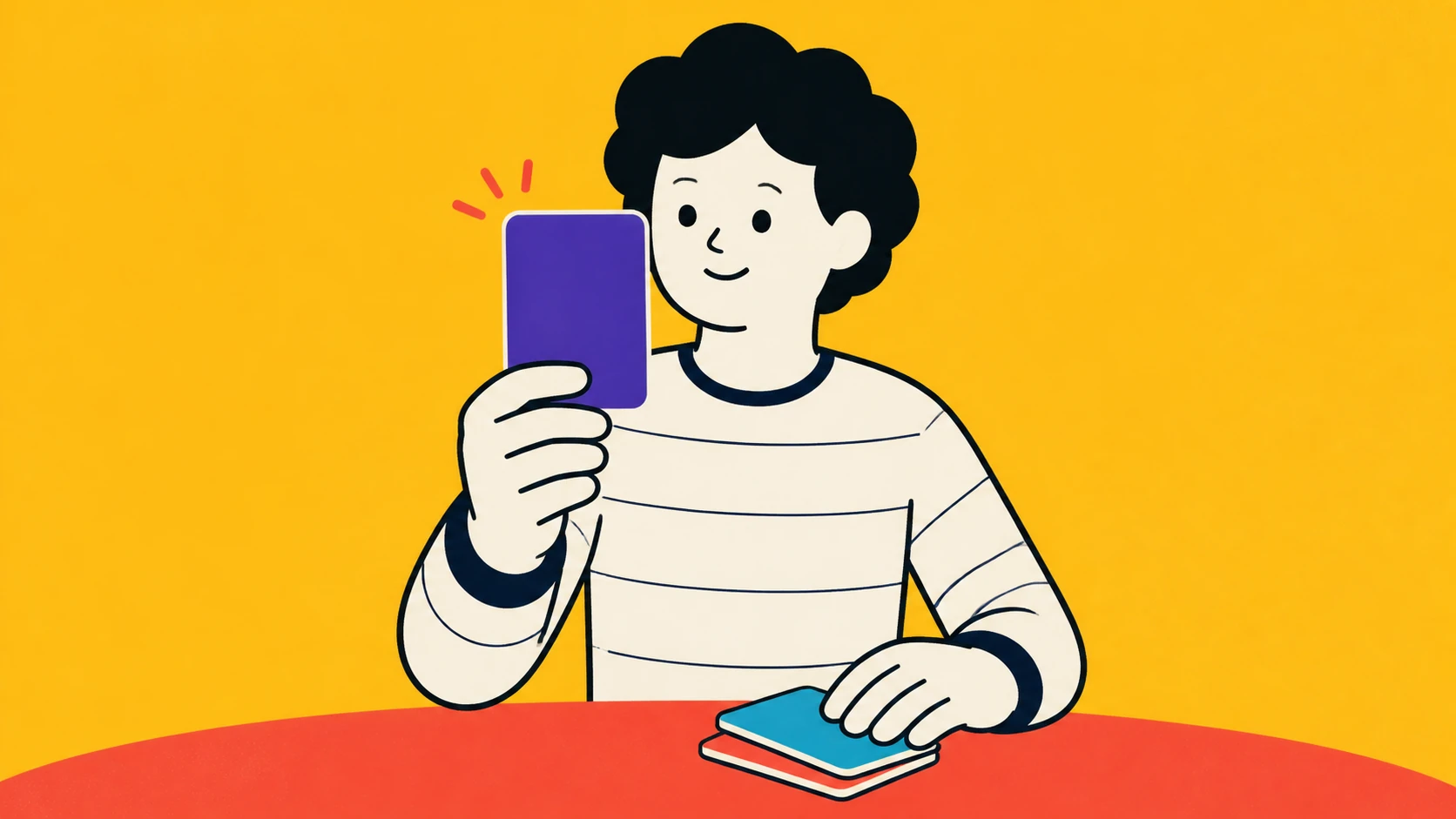
Try this
At a natural breakpoint in a long screen session, look away from the display, relax your posture, and name the next task before returning.
Check-in: Did the pause make the next action clearer, or did it reveal that you should stop, switch, or rest?
Evidence: Practical guidance; no evidence-like claim is detected in the current source record.
Review note: Public content is replaced by a low-risk screen-break checkpoint. Fixed timing, medical benefit claims, productivity claims and inherited evidence-like language are removed; the protocol is framed as a work-quality pause, not treatment.
A screen break can also be a work-quality checkpoint. Use a brief pause to interrupt automatic scrolling or staring, then decide deliberately what happens next.
1. Use a natural breakpoint
Pause after finishing a paragraph, message, calculation, meeting segment, or other small unit of work. A breakpoint is usually easier to keep than an arbitrary alarm.
2. Look away from the screen
Shift your gaze away from the display for a moment and let your body change position. Keep the pause comfortable rather than turning it into another target to hit.
3. Name the next action
Before returning, state what you are about to do next. If you cannot name a useful next action, that is a sign to stop, switch tasks, or clarify the work first.
4. Keep the checkpoint light
If tracking the breaks becomes more distracting than the screen session itself, simplify the routine. The checkpoint should reduce friction, not create a second job.
Questions to consider
Does the checkpoint have to happen every thirty minutes?
No. Use a natural breakpoint that fits the work. The point is to interrupt an overly long screen stretch, not to obey a fixed timer.
What should I do during the pause?
Look away from the display, let your posture change, and decide what the next useful action is before you continue.
Maintenance record
Review history
Current status: Reviewed. An editorial or evidence review is recorded and no later event changes that conclusion.
2026-08-20 · reviewed · Brali editorial agent Source: protocol-content-overrides-zone-starters.json
Replace inherited screen-break copy containing evidence-like wording with a low-risk checkpoint protocol that makes no medical or performance claim.
Browse the review ledger · Challenge or update this hack
Implementation observations can trigger a review, but they cannot change an evidence conclusion by themselves. Commercial relationships do not control review status or outcomes.
Continue from here
Choose the next useful path.
Article versions
Brali keeps substantive article history visible. Later reviews may refresh wording, sources, examples, or boundaries without silently replacing the record.
- Version 2025-10-06: first recorded publication in the migrated Brali corpus.
- Evidence review 2026-08-20: reviewed by Brali editorial agent; evidence state is
practical.
Canonical source record · Evidence state: practical.