Cognitive Biases · Growth Library
Challenge Assumed Similarities
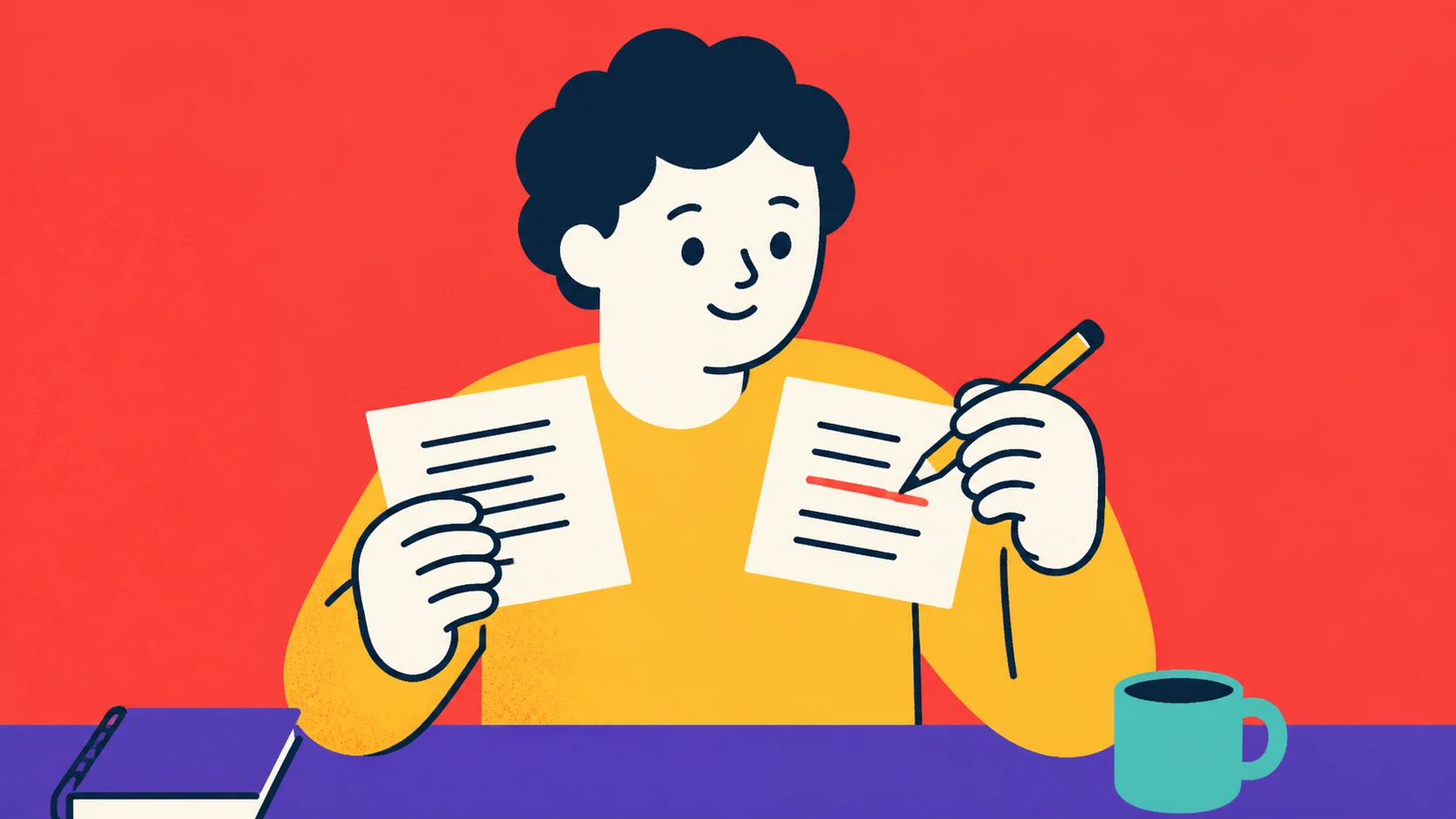
Try this
When interacting with others: - Ask: "What’s unique about this person’s perspective or experience?" - Listen actively: Avoid projecting your own traits or beliefs onto them. - Reflect: Notice when you assume similarities without evidence and correct yourself. Example: Don’t assume a coworker has the same work style as you; ask about their preferences and needs.
Check-in: Check in when you actively avoid assuming someone is just like you.
Evidence: Practical guidance; no evidence-like claim is detected in the current source record.
When interacting with others: - Ask: "What’s unique about this person’s perspective or experience?" - Listen actively: Avoid projecting your own traits or beliefs onto them. - Reflect: Notice when you assume similarities without evidence and correct yourself. Example: Don’t assume a coworker has the same work style as you; ask about their preferences and needs.
Questions to consider
How do I track my progress with this habit?
Use the check-in method described above and record the result somewhere you will actually review, so progress stays visible over time.
What if I miss a day or forget to do this habit?
Don't worry! Life OS habits are designed to be flexible. Just get back on track the next day without judgment.
How long does it take to form this habit?
There is no fixed number of days for a habit to become automatic. Keep the context consistent, notice whether the action is getting easier to repeat, and review the practice over time instead of treating a countdown as a success criterion. Focus on consistency rather than perfection to build momentum.
Maintenance record
Review history
Current status: Active. Published without a later explicit lifecycle conclusion.
No explicit review event has been recorded yet. The hack remains published from its source content and can be challenged or reviewed.
Browse the review ledger · Challenge or update this hack
Implementation observations can trigger a review, but they cannot change an evidence conclusion by themselves. Commercial relationships do not control review status or outcomes.
Continue from here
Choose the next useful path.
Article versions
Brali keeps substantive article history visible. Later reviews may refresh wording, sources, examples, or boundaries without silently replacing the record.
- Version 2025-10-06: first recorded publication in the migrated Brali corpus.
Canonical source record · Evidence state: practical.